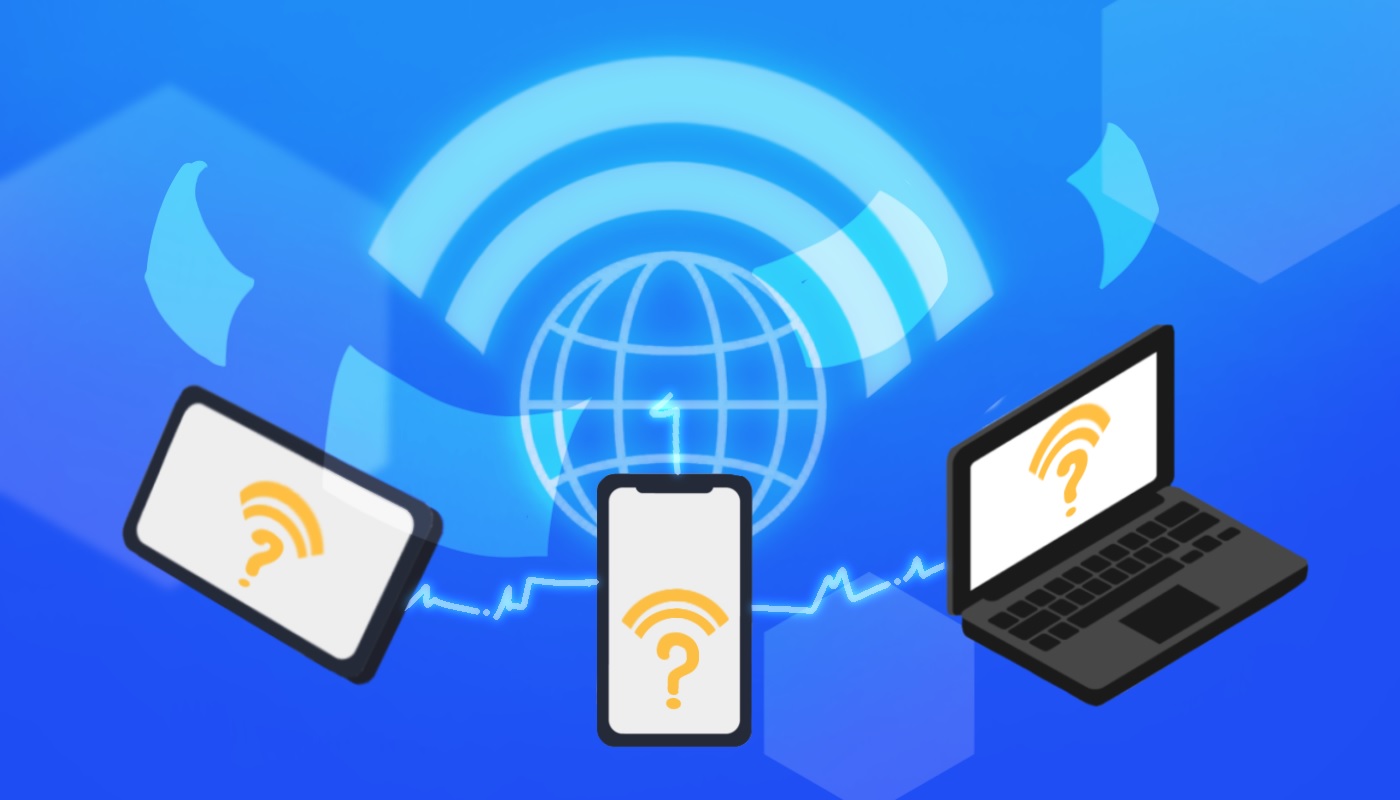
The Internet is one of the most transformative inventions in human history, reshaping how people communicate, access information, and conduct business. From its early beginnings as a research network to becoming a global communication and commerce tool, the Internet has influenced nearly every aspect of modern life. Understanding its structure, types, functionality, and impact helps individuals and organizations utilize it more effectively.
What Is the Internet?
The Internet is a vast network of interconnected computers and servers that communicate using standardized protocols, primarily TCP/IP (Transmission Control Protocol/Internet Protocol). It allows the transmission of data, access to information, and connection between people and devices globally. Unlike a local network, the Internet is decentralized and spans international borders, making it a backbone of modern digital communication.
Key characteristics of the Internet include:
- Global Connectivity: Users can access information and communicate with anyone worldwide.
- Data Transmission: Facilitates the exchange of text, images, videos, and other digital content.
- Interoperability: Supports multiple devices, platforms, and software applications.
- Scalability: Continuously expands to accommodate new users, devices, and services.
History and Evolution of the Internet
The Internet has a rich history that reflects decades of technological innovation.
Origins
- ARPANET (1960s–1970s): Developed by the U.S. Department of Defense, ARPANET was the first operational packet-switching network, allowing researchers to share data remotely.
- Early Protocols: TCP/IP protocols were developed in the 1970s, forming the foundation for modern Internet communication.
Growth in the 1980s and 1990s
- Adoption by Universities: Academic institutions started using the network for research collaboration.
- Introduction of the World Wide Web: Tim Berners-Lee created the World Wide Web in 1989, providing a system of interconnected documents accessible via browsers.
- Expansion to Public Use: Internet service providers (ISPs) emerged, enabling public access and accelerating global adoption.
Modern Internet
- Broadband and Mobile Networks: High-speed broadband and 4G/5G networks significantly increased accessibility.
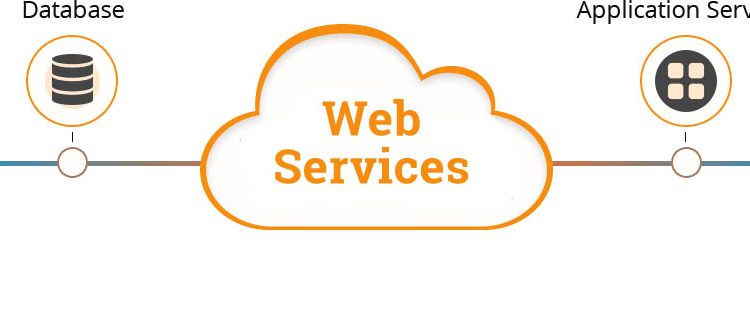
- Cloud Computing: Internet infrastructure now supports storage, computation, and services via cloud platforms.
- IoT Integration: The Internet connects smart devices, from wearables to home automation systems, enabling seamless communication.
How the Internet Works
The Internet relies on a combination of physical infrastructure and software protocols to deliver content and services.
Core Components
- Servers: Store and manage data, websites, and applications.
- Clients: Devices like computers, smartphones, and tablets that access Internet resources.
- Routers and Switches: Direct data traffic efficiently across networks.
- Protocols: TCP/IP ensures reliable communication, while HTTP/HTTPS facilitates web browsing.
Data Transmission
Information on the Internet is transmitted as data packets. Each packet contains destination information and a portion of the overall data. Packets travel across multiple networks and are reassembled at the receiving device, ensuring accurate and efficient delivery.
Connectivity Methods
- Wired Connections: Fiber optic cables, DSL, and Ethernet provide high-speed, stable connections.
- Wireless Connections: Wi-Fi and mobile networks enable flexible access from anywhere with signal coverage.
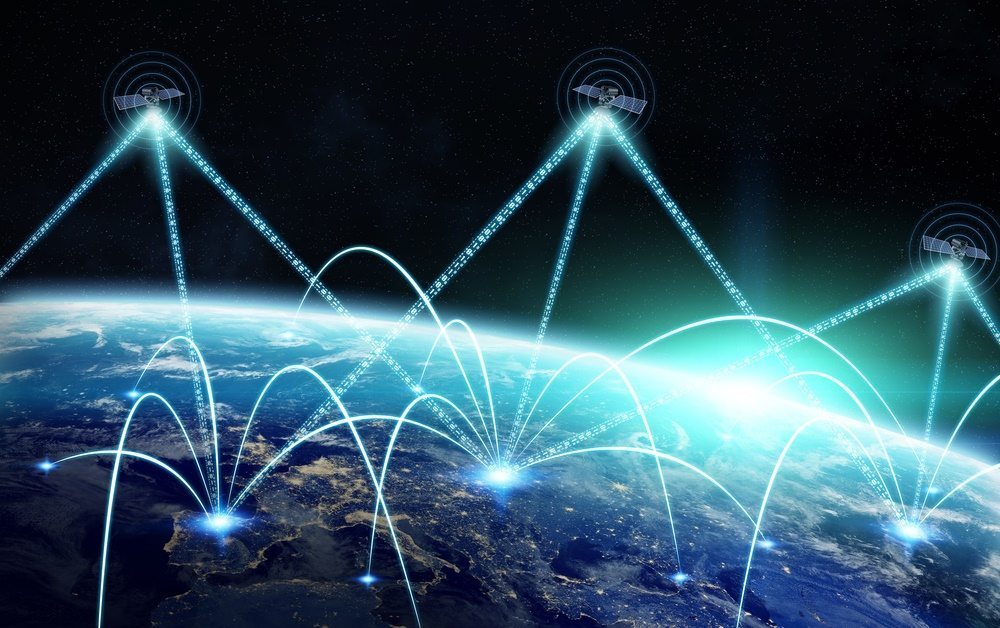
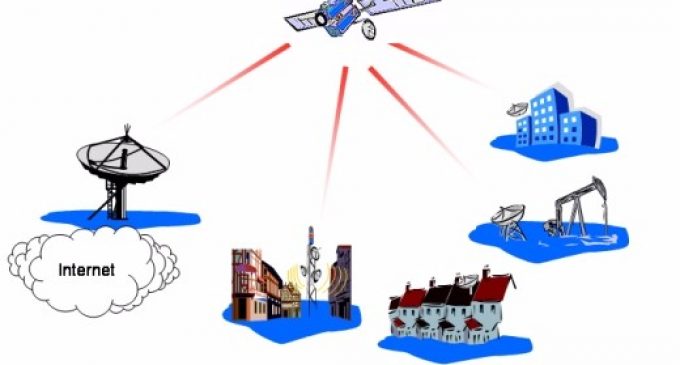
- Satellite Internet: Provides connectivity in remote areas where terrestrial networks are unavailable.
Types of Internet
The Internet can be categorized based on speed, accessibility, and usage.
Dial-Up Internet
- Early Internet connections used phone lines to transmit data.
- Low speed and limited bandwidth made it suitable only for basic browsing and email.
Broadband Internet
- Provides high-speed connections via cable, DSL, or fiber optics.
- Supports streaming, gaming, and large data transfers.
Mobile Internet
- Delivered through cellular networks (3G, 4G, and 5G).
- Enables access on smartphones and tablets while on the move.
Satellite Internet
- Offers coverage in remote or rural areas.
- Typically has higher latency compared to wired broadband.
Dedicated and Enterprise Internet
- Tailored for organizations requiring high reliability and bandwidth.
- Often used for cloud services, video conferencing, and large-scale data transfer.
Uses of the Internet
The Internet serves a wide range of purposes, impacting both personal and professional life.
Communication
- Email and Messaging Apps: Facilitate instant communication worldwide.
- Video Conferencing: Platforms like Zoom and Microsoft Teams allow virtual meetings and collaboration.
- Social Media: Connects people and communities globally.
Information Access and Education
- Search Engines: Provide access to vast amounts of knowledge and research resources.
- Online Courses and Tutorials: E-learning platforms make education more accessible and flexible.
- News and Media: Real-time information dissemination keeps users updated globally.
Entertainment
- Streaming Services: Movies, TV shows, and music are accessible on-demand.
- Online Gaming: Multiplayer platforms connect players worldwide.
- Content Creation: Individuals can produce and share videos, blogs, and podcasts.
Business and Commerce
- E-Commerce: Enables global sales through platforms like Amazon and eBay.
- Remote Work: Cloud tools, video conferencing, and collaborative platforms support distributed teams.
- Digital Marketing: Internet advertising allows targeted campaigns and analytics-driven strategies.
Health and Telemedicine
- Online Consultations: Patients can consult doctors remotely.
- Health Monitoring: Wearables and IoT devices transmit real-time health data to medical professionals.
- Health Information: Access to medical resources and research supports informed decisions.
Government and Public Services
- Digital Governance: Citizens can access government services, pay taxes, and submit documents online.
- Public Awareness: Internet campaigns inform communities about social and environmental issues.
- Emergency Alerts: Provides rapid notification during natural disasters or crises.
Impact of the Internet on Society
The Internet has reshaped communication, commerce, and culture, offering both opportunities and challenges.
- Global Connectivity: Breaks down geographical barriers, enabling cross-cultural collaboration and understanding.
- Economic Growth: E-commerce, freelancing, and digital businesses contribute significantly to global economies.
- Education and Knowledge Sharing: Expands access to learning opportunities worldwide.
- Privacy and Security Challenges: Cybersecurity risks, data breaches, and digital privacy concerns require careful management.
- Digital Divide: Disparities in access highlight the need for equitable Internet infrastructure.
Future of the Internet
The Internet continues to evolve with innovations in technology and connectivity.
- 5G and Beyond: Ultra-fast mobile networks will enhance mobile computing, IoT, and real-time services.
- Edge Computing: Reduces latency and improves processing speed by handling data closer to the source.
- AI Integration: Smarter online services, predictive analytics, and automated tasks will become mainstream.
- Global Expansion: Efforts to provide universal Internet access aim to reduce the digital divide and improve global connectivity.
- Sustainability: Initiatives focus on energy-efficient data centers, eco-friendly infrastructure, and responsible electronic waste management.
Conclusion
The Internet is more than a technological tool; it is a cornerstone of modern society, influencing communication, commerce, education, entertainment, and governance. By understanding its history, structure, types, and uses, individuals and organizations can harness its full potential. As technology evolves, the Internet will continue shaping the way people interact, learn, and conduct business worldwide, making it an indispensable part of daily life.
FAQs About the Internet
1. How does the Internet differ from the World Wide Web?
The Internet is the global network of interconnected devices, while the World Wide Web is a system of interlinked documents and resources accessed via browsers on the Internet.
2. What are the main protocols used by the Internet?
TCP/IP governs data transmission, while HTTP/HTTPS is used for web communication. Other protocols include FTP, SMTP, and DNS.
3. How can Internet access be improved in remote areas?
Through satellite Internet, mobile networks, and government-supported infrastructure projects aimed at expanding connectivity.
4. What is the role of IoT in the Internet?
IoT devices use the Internet to communicate and share data, enabling smart homes, health monitoring, and automated systems.
5. What are the major challenges of the Internet today?
Cybersecurity threats, digital privacy concerns, and the digital divide are significant challenges facing users and policymakers.
6. How does the Internet impact education?
It provides access to online courses, research, e-books, and collaborative platforms, making learning more flexible and accessible.
7. What future technologies will influence the Internet?
5G, AI, edge computing, and expanded IoT networks will shape faster, smarter, and more connected digital environments.
The Internet remains a transformative force, connecting the world, facilitating innovation, and driving progress across multiple sectors. Understanding its mechanisms, uses, and implications empowers individuals and organizations to thrive in an increasingly digital landscape.