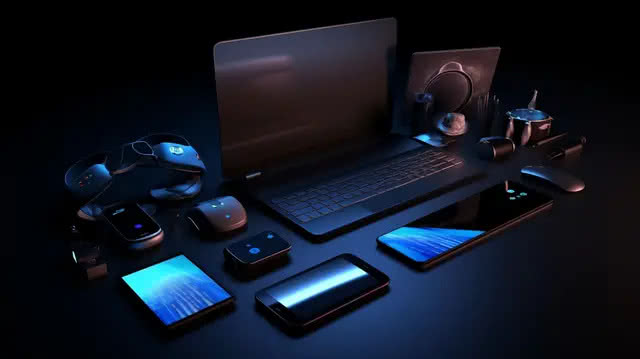
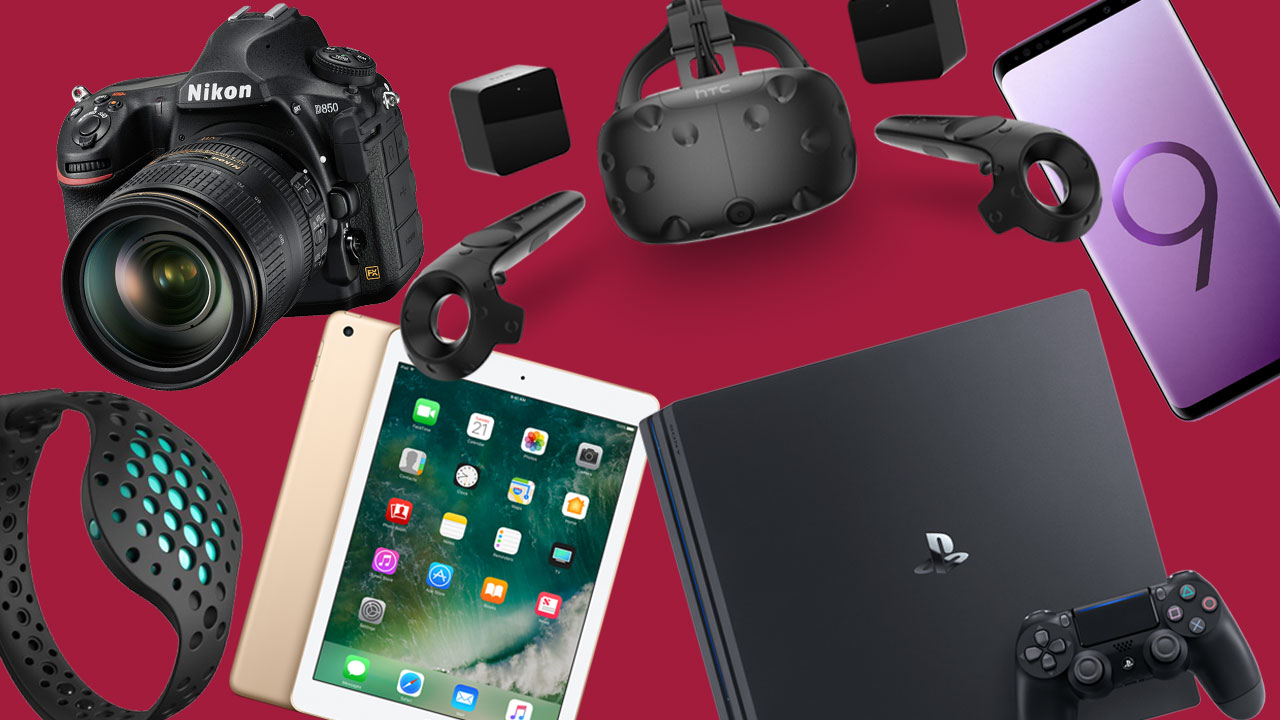
In today’s fast-paced digital world, gadgets have become an essential part of our everyday lives. From smartphones and smartwatches to smart home devices and wearable technology, gadgets are designed to make our lives easier, more efficient, and more connected. Understanding gadgets, their features, types, and modern applications can help users make informed decisions and fully utilize these devices.
What Is a Gadget?
A gadget is a small technological device or tool designed to perform specific functions or tasks. Unlike general-purpose computers, gadgets are usually specialized and portable, offering convenience and efficiency. They can range from entertainment devices, like tablets and gaming consoles, to practical tools such as smart thermostats and fitness trackers.
Key characteristics of gadgets include:
- Portability: Most gadgets are compact and lightweight, making them easy to carry.
- Functionality: Designed for specific purposes, such as communication, health tracking, or entertainment.
- Connectivity: Many modern gadgets integrate with the internet or other devices for seamless functionality.
- Innovation: Gadgets often include the latest technological advancements to improve user experience.
History and Evolution of Gadgets
Gadgets have evolved significantly over the past century. The journey started with simple mechanical tools and has progressed to highly sophisticated electronic devices.
Early Gadgets
- Mechanical Timers and Calculators: Early 20th-century gadgets included devices like mechanical timers and handheld calculators, which simplified daily tasks.
- Radio Devices: Radios became one of the first widely-used electronic gadgets, enabling information dissemination and entertainment.
Late 20th Century
- Personal Electronics: Gadgets like portable CD players, early mobile phones, and handheld gaming consoles became mainstream.
- Digital Cameras: Replaced traditional film cameras, allowing instant photography and easy sharing.
21st Century Innovations
- Smartphones and Tablets: Combined communication, entertainment, and productivity into a single device.
- Wearable Devices: Smartwatches, fitness trackers, and health monitors brought technology closer to the body.
- Smart Home Gadgets: Devices like smart thermostats, smart lights, and home assistants transformed household management.
Types of Gadgets
Gadgets can be categorized based on their primary function and usage.
Communication Gadgets
- Smartphones: Offer calling, messaging, video conferencing, and access to countless apps for work and entertainment.
- Smartwatches: Allow notifications, health tracking, and even calls, offering a more portable communication device.
- Tablets: Combine the functions of laptops and smartphones, suitable for both productivity and entertainment.
Entertainment Gadgets
- Gaming Consoles: Devices like PlayStation, Xbox, and Nintendo Switch provide immersive gaming experiences.
- Streaming Devices: Smart TVs, media players, and portable projectors allow access to digital content seamlessly.
- Audio Gadgets: Headphones, wireless earbuds, and smart speakers deliver high-quality audio experiences.
Health and Fitness Gadgets
- Fitness Trackers: Monitor physical activity, heart rate, and sleep patterns to encourage healthy habits.
- Smart Scales and Blood Pressure Monitors: Help track vital health metrics and sync with mobile apps for long-term monitoring.
- Wearable ECG Devices: Provide real-time heart monitoring and early detection of irregularities.
Productivity Gadgets
- Laptops and Hybrid Devices: Portable computing solutions for work, study, and creative projects.
- Smart Pens and Digital Notepads: Enable efficient note-taking and document management.
- Portable Projectors and Scanners: Aid in presentations and digitizing documents on the go.
Smart Home Gadgets
- Voice Assistants: Devices like Amazon Echo or Google Nest allow voice-controlled management of home appliances.
- Smart Lighting and Thermostats: Enhance energy efficiency and convenience.
- Security Gadgets: Smart cameras, doorbells, and locks provide enhanced home security.
Key Features of Modern Gadgets
Modern gadgets incorporate advanced features to improve usability and efficiency.
- Touchscreen Interfaces: Provide intuitive navigation and control.
- Connectivity Options: Include Wi-Fi, Bluetooth, and 5G for seamless integration with other devices.
- AI Integration: Offers smart suggestions, voice control, and automation in various tasks.
- Portability and Durability: Lightweight and often resistant to water, dust, or accidental drops.
- Energy Efficiency: Many gadgets are designed to minimize power consumption without compromising performance.
Trends in Gadget Technology
Gadget innovation continues to evolve rapidly, shaping how people interact with technology.
- Artificial Intelligence: Gadgets are becoming smarter, learning user preferences and automating tasks.
- Wearable Technology Expansion: Advanced health monitoring, AR glasses, and wearable payment solutions are gaining traction.
- IoT Integration: Gadgets increasingly connect to other devices and systems, creating interconnected environments.
- Sustainable Design: Manufacturers are focusing on eco-friendly materials, energy efficiency, and recyclable components.
- Foldable and Flexible Devices: Emerging form factors offer portability and adaptability for multiple use cases.
Practical Uses of Gadgets in Daily Life
Gadgets impact nearly every aspect of modern life, offering convenience, efficiency, and entertainment.
Personal Productivity
- Manage schedules, emails, and documents with tablets, laptops, and smartphones.
- Digital pens, smart notebooks, and AI assistants help streamline work processes.
Health and Wellness
- Fitness trackers and smart health devices provide real-time feedback and long-term tracking.
- Smart home gadgets create healthier living environments with climate control, air quality monitoring, and lighting adjustments.
Entertainment and Leisure
- Gaming consoles, VR devices, and portable speakers offer immersive entertainment experiences.
- Smart TVs and streaming devices provide on-demand access to movies, shows, and music.
Education and Learning
- Tablets and educational gadgets support online learning, interactive lessons, and digital classrooms.
- Smart pens and digital study tools enhance learning efficiency for students of all ages.
Home Automation and Security
- Gadgets like smart locks, security cameras, and voice assistants improve home security and convenience.
- Smart appliances reduce energy consumption and simplify household management.
Choosing the Right Gadget
Selecting a gadget depends on your needs, preferences, and budget. Consider the following factors:
- Purpose: Identify whether you need a gadget for communication, productivity, entertainment, or health.
- Compatibility: Ensure the gadget works seamlessly with other devices and software you use.
- Durability: Look for long-lasting and robust devices, especially for portable gadgets.
- User Experience: Check interface, ease of use, and customer reviews to ensure satisfaction.
- Future-Proofing: Opt for devices with upgradable features and software support.
Conclusion
Gadgets have transformed the way we interact with technology, offering unparalleled convenience, efficiency, and entertainment. From personal devices like smartphones and smartwatches to smart home appliances and fitness trackers, gadgets continue to evolve with AI, IoT, and sustainable designs shaping their future. By understanding the types, features, trends, and practical uses of gadgets, users can make informed decisions and maximize the benefits of these modern tools in everyday life.
FAQs About Gadgets
1. What is the difference between a gadget and a general-purpose device?
A gadget is usually a specialized device designed for a specific function, whereas general-purpose devices like computers can perform a wide range of tasks.
2. How do smart gadgets differ from traditional electronic devices?
Smart gadgets integrate connectivity, AI, and automation, allowing interaction with other devices and systems, unlike traditional electronics with limited functionality.
3. Are wearable gadgets necessary for health monitoring?
While not mandatory, wearable gadgets like fitness trackers provide valuable insights into health metrics and help encourage healthier lifestyles.
4. Can gadgets improve productivity at work?
Yes, devices like tablets, smart pens, laptops, and AI assistants streamline workflows, organize tasks, and enhance overall efficiency.
5. How do IoT gadgets impact daily life?
IoT gadgets connect multiple devices, enabling automation, remote monitoring, and improved convenience in homes and workplaces.
6. What should I consider when buying a gadget?
Consider purpose, compatibility, durability, user experience, and future-proofing to select a device that fits your needs.
7. What are the emerging trends in gadgets for 2025?
AI integration, wearable technology expansion, foldable devices, sustainable designs, and enhanced IoT connectivity are key trends shaping the future of gadgets.
This comprehensive guide provides insight into gadgets, their evolution, types, features, trends, and applications, helping users navigate the modern digital world effectively.