
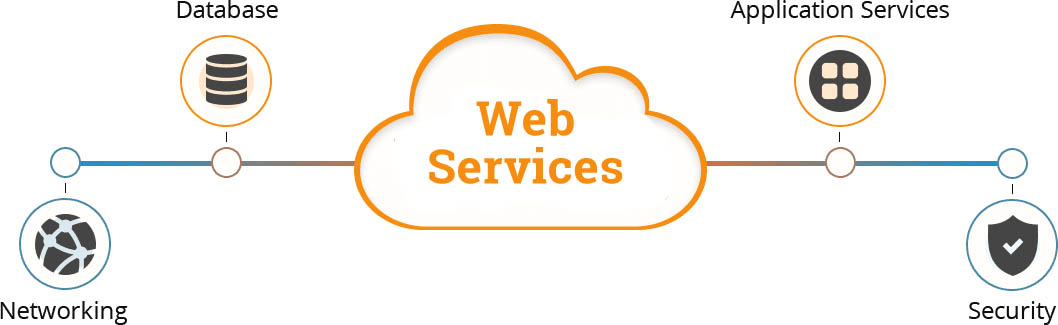
In today’s interconnected digital landscape, web services play a critical role in enabling communication between applications over the internet. Whether for businesses, developers, or end-users, web services provide a standardized way for systems to share data and functionality seamlessly. Understanding web services, their types, advantages, and practical applications is essential for leveraging them effectively in modern software development and business operations.
What Is a Web Service?
A web service is a software system designed to support interoperable machine-to-machine communication over a network. Essentially, web services allow different applications, developed in various programming languages and running on diverse platforms, to exchange data and invoke functions remotely.
Key features of web services include:
- Interoperability: Applications built on different platforms can communicate with one another.
- Standardized Communication: Web services use standardized protocols such as HTTP, SOAP, and REST.
- Machine-Readable Data: Data is exchanged in formats like XML or JSON, enabling automation and integration.
- Reusability: Web services provide reusable modules or APIs that can be accessed by multiple applications.
History and Evolution of Web Services
The concept of web services emerged as businesses and software systems required better integration across platforms.
Early Development
- CORBA and DCOM: Before web services, technologies like CORBA (Common Object Request Broker Architecture) and DCOM (Distributed Component Object Model) facilitated remote procedure calls but lacked standardization and web compatibility.
Emergence of SOAP-Based Web Services
- SOAP (Simple Object Access Protocol): Introduced in the late 1990s, SOAP defined a protocol for exchanging structured information using XML. It enabled platform-independent communication between applications.
- WSDL (Web Services Description Language): Describes the functionality offered by a SOAP-based web service and how to interact with it.
RESTful Web Services
- REST (Representational State Transfer): A simpler, lightweight alternative to SOAP, REST uses standard HTTP methods and formats like JSON for communication. RESTful web services gained popularity due to ease of use, scalability, and performance benefits.
Types of Web Services
Web services can be categorized based on architecture, communication protocol, and usage.
SOAP Web Services
- Protocol-Based: Uses SOAP protocol with XML messaging for communication.
- Features: Highly structured, supports security standards like WS-Security, and is suited for enterprise-level applications.
- Use Cases: Banking systems, payment gateways, and enterprise resource planning (ERP) systems.
RESTful Web Services
- Architecture-Based: Uses HTTP methods (GET, POST, PUT, DELETE) to perform operations.
- Features: Lightweight, faster than SOAP, and supports multiple data formats including JSON, XML, and plain text.
- Use Cases: Social media APIs, cloud-based applications, and mobile apps.
XML-RPC Web Services
- Protocol: Uses XML to encode remote procedure calls and HTTP as the transport protocol.
- Features: Simple and language-independent, but less common today due to REST’s popularity.
- Use Cases: Legacy systems integration and remote system management.
JSON-RPC Web Services
- Protocol: Uses JSON to encode remote procedure calls over HTTP.
- Features: Lightweight, fast, and ideal for web and mobile applications.
- Use Cases: Lightweight APIs for mobile apps, microservices, and online services.
Components of a Web Service
To function effectively, a web service typically includes the following components:
- Service Provider: The system offering the web service, hosting the API or endpoint.
- Service Requester (Client): The application or system that consumes the web service to perform operations.
- Service Registry: Optional directory service where available web services can be published and discovered, commonly used in enterprise environments.
- Communication Protocols: Defines how messages are exchanged, commonly HTTP, HTTPS, SOAP, or REST.
- Data Formats: Standardized formats like XML or JSON ensure data can be understood across different systems.
Advantages of Web Services
Web services provide multiple benefits that make them integral to modern technology solutions.
For Businesses
- System Integration: Connects diverse systems, reducing operational silos.
- Cost Efficiency: Reusable services reduce development time and resource expenditure.
- Global Accessibility: Services can be accessed over the internet, enabling remote operations.
- Scalability: Supports growth by enabling modular and distributed system architecture.
For Developers
- Interoperability: Enables seamless communication between applications developed in different languages.
- Reusability: Code can be reused across multiple applications or platforms.
- Rapid Development: APIs and services accelerate development cycles.
- Standardization: Following protocols ensures consistency and reduces errors.
For End Users
- Enhanced Experience: Enables real-time access to services, such as online banking, e-commerce, or social media integration.
- Reliability: Standardized communication protocols ensure consistent service delivery.
- Flexibility: Services can be accessed across devices and platforms.
Implementation of Web Services
Implementing web services requires careful planning and adherence to best practices to ensure efficiency and reliability.
Design Considerations
- API Design: Define clear endpoints, methods, and data structures for client consumption.
- Security: Implement authentication, authorization, encryption, and data validation to protect sensitive information.
- Scalability: Ensure services can handle increased load by using load balancers and cloud infrastructure.
- Documentation: Provide comprehensive documentation and sample requests for developers.
Deployment Methods
- On-Premises: Hosting web services on company servers for internal or restricted use.
- Cloud-Based: Using cloud platforms like AWS, Azure, or Google Cloud for global accessibility and scalability.
- Hybrid: Combining on-premises and cloud-based services to leverage security and accessibility.
Maintenance and Monitoring
- Error Handling: Implement logging and error reporting to identify and resolve issues quickly.
- Performance Monitoring: Track response times, uptime, and throughput for optimal service delivery.
- Version Control: Maintain backward compatibility while updating services to avoid disrupting clients.
Applications of Web Services
Web services are foundational in numerous sectors and use cases.
- E-Commerce: Payment gateways, inventory systems, and shipping APIs rely on web services for seamless integration.
- Banking and Finance: Core banking, fund transfers, and real-time transaction monitoring use secure web services.
- Healthcare: Patient management systems, lab results, and telemedicine platforms utilize web services for interoperability.
- Travel and Transportation: Booking systems, flight APIs, and ride-sharing services use web services for real-time data sharing.
- Social Media and Communication: Platforms like Twitter, Facebook, and messaging apps expose APIs for third-party integration.
Future Trends in Web Services
The evolution of web services continues with advancements in technology.
- Microservices Architecture: Web services are increasingly deployed as microservices to support modular, scalable applications.
- Serverless Computing: Platforms like AWS Lambda and Azure Functions reduce infrastructure management by running services on demand.
- GraphQL APIs: Provides more flexible and efficient querying compared to RESTful endpoints.
- AI-Enhanced Services: Integration of AI and machine learning capabilities into web services to provide intelligent features.
- Enhanced Security Standards: Emerging protocols like OAuth 2.1 and Zero Trust architecture improve service security.
Conclusion
Web services are a backbone of modern software development and digital transformation. Their ability to enable interoperable, scalable, and reusable solutions makes them essential for businesses, developers, and end-users alike. By understanding the types, benefits, and best practices of web services, organizations can implement robust, efficient, and secure solutions that meet evolving technological demands.
FAQs About Web Services
1. What is the difference between SOAP and REST web services?
SOAP is protocol-based with structured XML messaging, while REST is architectural, lightweight, and uses standard HTTP methods with formats like JSON.
2. Can web services be used on mobile applications?
Yes, mobile apps frequently consume RESTful or JSON-RPC web services for real-time data exchange and functionality.
3. What is the role of a service registry?
A service registry is a directory where available web services are published for discovery and consumption by clients.
4. How do web services ensure security?
Through encryption (HTTPS), authentication (OAuth, API keys), authorization, and input validation to protect data integrity.
5. What is the difference between on-premises and cloud-based web services?
On-premises services are hosted within an organization’s servers, while cloud-based services are hosted on external cloud infrastructure, offering scalability and global access.
6. Why are web services important for businesses?
They enable system integration, reduce development costs, support scalability, and provide global accessibility for applications.
7. What are emerging trends in web services?
Microservices, serverless computing, GraphQL APIs, AI integration, and advanced security protocols are shaping the future of web services.
Web services continue to evolve, supporting complex integrations, scalable applications, and efficient communication in the modern digital ecosystem. By adopting best practices and staying updated with trends, organizations can maximize their impact and ensure seamless connectivity across diverse systems.